
The Supreme Court just handed a wounded veteran a long-awaited chance to hold a defense contractor accountable for catastrophic failures that enabled a Taliban-linked employee to build a suicide bomb on a U.S. military base—exposing the shocking reality that corporate immunity may shield negligence that cost American lives.
Contractor Negligence Enabled Deadly Attack
On November 12, 2016, Ahmad Nayeb detonated a suicide vest during a Veterans Day 5K race at Bagram Airfield, killing three U.S. soldiers and two contractors while injuring 17 others, including Army Specialist Winston Hencely. Military investigators determined Fluor Intercontinental failed to supervise Nayeb, an Afghan national and former Taliban member hired in 2011 for vehicle maintenance. Nayeb accessed restricted materials in his on-base workspace to construct the explosive device undetected. Hencely, who confronted the bomber and likely prevented additional casualties, suffered a traumatic brain injury causing permanent seizures and loss of left-side function.
Legal Battle Challenges Contractor Immunity Shield
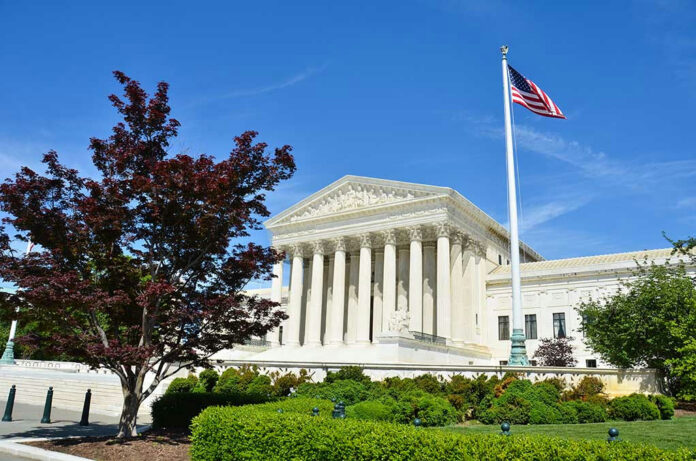
Hencely filed his negligence lawsuit in 2019, but lower courts dismissed the case citing the Federal Tort Claims Act’s combatant activities exception, which traditionally immunizes government contractors from state tort suits during wartime operations. The case exposed deep divisions among federal appellate circuits regarding contractor liability, with four circuits issuing conflicting rulings on whether state law claims can proceed against defense firms. On April 22, 2026, the Supreme Court rejected Fluor’s blanket immunity defense, clearing the path for trial on the merits of whether corporate negligence directly caused the deadly attack.
Veteran Accountability vs. Corporate Protection
The ruling represents a potential watershed moment for defense contracting oversight, an industry worth over $100 billion annually that has long operated under federal protection from liability claims. Twenty state attorneys general filed a bipartisan brief supporting Hencely, arguing that contractor immunity should not shield basic negligence from accountability, particularly in states with large military populations. Fluor maintained that federal law must preempt state tort claims to ensure operational uniformity during combat support missions. The decision may force contractors to tighten vetting procedures for local hires and increase insurance costs, fundamentally altering risk calculations in war zone operations.
Supreme Court revives wounded veteran's lawsuit against a contractor over suicide bombing @WashTimes https://t.co/bLPQd3XrHd
— Washington Times Local (@WashTimesLocal) April 22, 2026
For Americans who have watched defense contractors profit from taxpayer-funded wars while evading responsibility for preventable disasters, this case crystallizes a fundamental question: should corporations enjoy protections that shield them from consequences when their failures kill and maim service members? The Supreme Court’s decision recognizes what common sense has long demanded—that accountability cannot stop at the corporate boardroom door when negligence directly enables enemy attacks on American soil. As Hencely’s case proceeds to trial, it will test whether our legal system serves the warriors who risk everything or the well-connected firms that too often prioritize profits over the safety of those in harm’s way.
Sources:
Supreme Court revives wounded veteran’s lawsuit against a contractor over suicide bombing – WTOP
Supreme Court revives wounded veteran’s lawsuit against contractor over suicide bombing – ABC News
Supreme Court to review federal tort claims exception – Stars and Stripes
Supreme Court weighs if contractor can be sued for wartime negligence – Military Times