

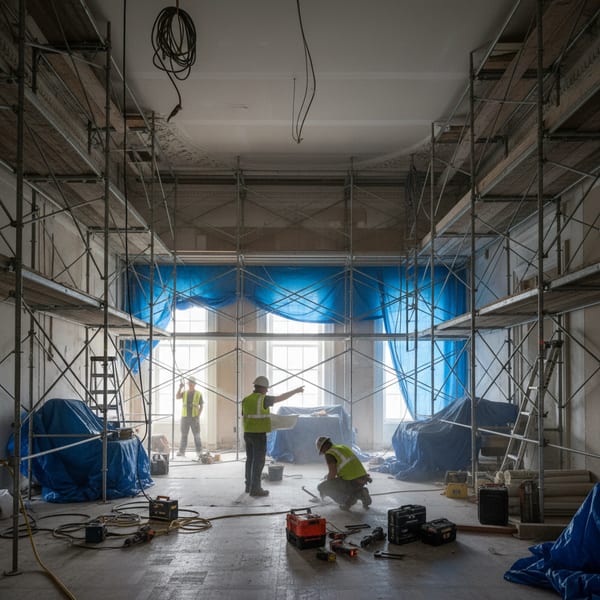
Republican lawmakers are deeply divided over legislation to spend $400 million in taxpayer funds on a massive ballroom addition to the White House, sparking a rare public rift within the party over government spending and presidential security priorities.
The Proposal Causing the Split
Senators Lindsey Graham of South Carolina, Katie Britt of Alabama, and Eric Schmitt of Missouri introduced legislation to provide federal funding for a 90,000-square-foot ballroom addition. President Trump promoted the project following a shooting at the White House Correspondents’ Dinner that authorities say targeted him. Graham defended the expenditure as national security, not presidential luxury, saying the facility would include military infrastructure and a Secret Service annex beneath the ballroom. He suggested private donations could cover furnishings like china.
🚨 IT’S OFFICIAL: Senate Republicans are filing legislation AUTHORIZING President Trump’s White House ballroom, which is vital to national security and requested by the military
“The sooner we get the ballroom built, the better it is for the country!” 🔥
NO DELAYS
EDaugherty pic.twitter.com/ljdxORnMQP
— Jack Straw (@JackStr42679640) April 28, 2026
Fiscal Conservatives Push Back
Senator Rick Scott of Florida, a Trump ally known for fiscal conservatism, questioned why taxpayers should fund the project at all. He pointed to the nation’s $39 trillion debt and suggested halting unnecessary spending. Senator Rand Paul of Kentucky said Trump already raised the money through private means, while Senator Josh Hawley of Missouri preferred private funding and raised legal questions about whether Congress must authorize major White House reconstruction. The resistance reveals tension between national security concerns and fiscal responsibility principles.
Security Versus Spending
Graham dismissed his colleagues’ objections, saying he only wants a vote and does not care how senators decide. He framed the issue as protecting the presidency from assassination threats, not just serving Trump personally. The senator warned that potential attackers are just one click away from violence, calling the ballroom a national security necessity rather than a private luxury project. The debate highlights competing priorities within the Republican Party as it balances security concerns against mounting national debt and conservative voter expectations for fiscal restraint.