
Two CIA officers lost their lives in a deadly Mexican car crash right after a major anti-drug raid, exposing the deadly risks of endless foreign entanglements that fail to secure America’s borders.
Fatal Crash Follows Successful Drug Lab Raid
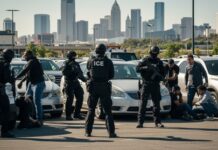
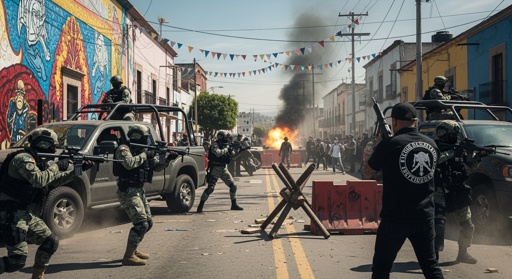
A car crash in Chihuahua, Mexico, killed four officials, including two CIA agents, shortly after they completed a major counternarcotics operation against drug labs. Mexican authorities hosted the raid, with three of their personnel among the dead. The incident highlights the immediate perils faced by U.S. intelligence operatives supporting these high-stakes missions on foreign soil. Chihuahua serves as a primary hub for Sinaloa Cartel and CJNG activities, producing deadly fentanyl and meth that flood American communities. This loss comes amid intensified efforts following the CIA-backed elimination of CJNG leader Nemesio Oseguera Cervantes, known as El Mencho.
CIA’s Pivotal Role in Dismantling Cartel Leadership
U.S. intelligence, led by the CIA, played an instrumental role in the operation that removed El Mencho, a top CJNG figure responsible for massive drug trafficking into the United States. This success preceded the Chihuahua raid, signaling a surge in aggressive anti-cartel actions. Briefed U.S. officials confirmed the CIA’s critical contributions, enabling precise targeting of high-value cartel assets. Such cooperation stems from decades of U.S.-Mexico partnerships, including the Mérida Initiative since 2008, which provides aid in exchange for joint enforcement. Yet, cartel corruption within Mexican ranks complicates these dynamics, eroding trust and effectiveness.
Historical Risks to American Personnel in Mexico
Previous incidents, like the 2011 ambush that killed two ICE agents, illustrate the persistent dangers U.S. personnel face in cartel-dominated regions. No prior cases exactly match this post-raid CIA fatality, but patterns of retaliation and operational hazards persist. Cartels defend their trafficking empires fiercely, often infiltrating local forces. The power imbalance favors U.S. intel superiority, but reliance on Mexican partners exposes American lives to unnecessary risks. President Trump’s second-term focus on border security demands reevaluating these embeds, prioritizing American safety over open-ended foreign aid.
Current developments show no further updates on the crash, ruled an accident with limited investigation details released. Operations against CJNG remnants continue, but families of the deceased and the U.S. intel community grieve the losses. Chihuahua residents now brace for potential cartel reprisals after the disrupted drug production.
Two CIA officers die in Mexico accident after counternarcotics operation
(*The deadly car crash prompted Mexican President Claudia Sheinbaum to say she would investigate whether the operation ran afoul of the country’s national security laws.)
— Devin Nunes' Cattle Dog 🇺🇦 🇪🇺🇺🇸🇨🇦 (@Kaos_Vs_Control) April 21, 2026
Implications for U.S. Border Security and Policy
Short-term, the fatalities may pause joint operations, straining U.S.-Mexico relations and Mérida funding debates in Congress. Long-term, experts call for improved post-operation protocols, shifting to remote intelligence like drones to protect personnel. Politically, this fuels conservative arguments against globalist spending on unsecure borders while fentanyl kills Americans daily. Socially, it spotlights risks in cartel zones; economically, temporary lab disruptions offer minor relief. Trump’s administration must leverage this to demand stricter Mexican accountability, fortifying individual liberty and national sovereignty over endless interventions.
Sources:
CIA Agents Among 4 Dead In Mexico Crash After Major Anti-Drug Operation
US intel-backed operation that led to killing of Mexican drug lord