
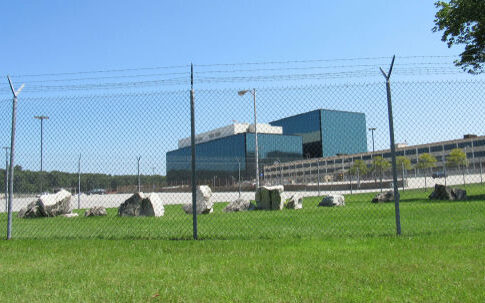
The world’s largest planned data center hub died not from protest signs, but from judges enforcing basic rules of notice and transparency.
Story Snapshot
- Virginia courts voided key rezonings for a 2,000-acre, 37‑facility data center complex beside Manassas National Battlefield Park.
- Judges found Prince William County broke state notice laws and kept rezoning documents from citizens before the vote.
- Developers and county officials walked away rather than fix the process or keep fighting in court.
- The case shows how ordinary neighbors can stop billion‑dollar tech projects when the rule of law is on their side.
How a rushed rezoning put a giant project on legal quicksand
Prince William County leaders tried to fast-track the Prince William Digital Gateway, a sprawling corridor planned for more than 2,000 acres with 37 data centers and multiple substations beside Manassas National Battlefield Park. The vote that set everything in motion took place in December 2023, pushed through by a lame-duck Board of Supervisors that knew its time in office was almost over. That timing alone raised eyebrows. What doomed the project was not speed, but how they treated basic public notice.
Virginia law is clear about rezoning hearings. The county must publish legal ads on a set schedule and make core application documents available for citizens to review. In this case, residents and groups like the Oak Valley Homeowners Association and American Battlefield Trust argued the county violated both duties. The evidence showed newspaper notices ran on December 2, 5 and 9 but did not meet the state requirement that the ads appear six days apart over two weeks. Key rezoning materials were not accessible before the hearing.
The courts call foul and erase the zoning from the books
In August 2025, Circuit Court Judge Kimberly Irving sided with nearby homeowners and ruled the rezoning ordinances “void ab initio,” meaning legally dead from the start because the county never followed the rules in the first place. The case focused on procedure, not whether data centers are good or bad, but the impact was huge. If the zoning never lawfully existed, the project had no legal foundation. Developers and the county appealed, hoping a higher court would rescue their work.
On March 31, 2026, a unanimous three-judge panel of the Virginia Court of Appeals upheld Judge Irving’s ruling and went even further. The appellate judges found “numerous violations” of state code and county ordinances, stressing that Prince William officials had improperly fast-tracked votes without properly advertising the proposal or making its text available to the public. They affirmed the rezonings were void ab initio and effectively froze one of the world’s largest data center complexes before a single server rack went up.
Developers walk away and the county surrenders the fight
Once the appeals court spoke, the political tone shifted. The Prince William County Board of Supervisors voted unanimously to end the county’s legal defense of the 2023 rezoning. That decision meant no more taxpayer money would prop up the invalid zoning. The board had tried a daring shortcut and lost. In the background, Compass Datacenters, one of the main developers, announced it was backing out of the project and would not pursue further appeals. Legal “hurdles” had become a wall.
A plan to build the world's largest data center complex next to the Manassas National Battlefield Park is dead — killed by homeowners, preservationists and a string of court defeats. QTS Data Centers confirmed Thursday that it formally withdrew an… https://t.co/cd0MNbZHJk
— Washington Times Local (@WashTimesLocal) July 3, 2026
American Battlefield Trust president David Duncan framed the outcome in simple terms: his group had defended “threatened hallowed ground” and the “rule of law” for more than two years. National Parks Conservation Association likewise called the ruling a victory that showed how transparency in land-use decisions is not a luxury but a legal requirement. For local residents, the exit of county officials and a major developer proved that this was not just a symbolic win. The project’s pathway had closed.
Why Manassas became a flash point in the data center boom
This fight did not happen in a vacuum. Northern Virginia is now the epicenter of United States data center growth, with the state issuing more than 80 percent of all national data center permits between mid‑2024 and mid‑2025. Companies chase cheap land, big power lines, and tax breaks. Counties see new revenue streams and talk up benefits like jobs and infrastructure. But these massive concrete and steel campuses often sit beside battlefields, farms, or quiet neighborhoods that never imagined living next to 24/7 industrial noise.
Across Virginia and the country, residents are suing counties over similar projects, calling it a “David and Goliath” fight between small communities and Fortune 50 technology giants. Many complaints echo the Prince William case: rushed hearings, vague disclosures, and complex rezoning documents that arrive too late for normal people to review. Researchers estimate more than $64 billion in data center projects were delayed or canceled between May 2024 and March 2025 due to organized opposition. This is not a fringe trend. It is a growing check on tech power.
Rule of law, conservative values, and what happens next
From a conservative, common-sense standpoint, the lesson is straightforward. Property rights and due process cut both ways. Counties cannot steamroll existing landowners or historic sites just because a high-dollar project promises future tax revenue. When officials ignore clear notice laws, they break trust with citizens and invite judges to step in, as they did here. The courts did not ban data centers. They demanded that government follow its own rules.
At the same time, the case raises a hard question for future projects. If data centers are critical to the modern economy, where should they go, and under what conditions? Groups like National Parks Conservation Association now push for simple guardrails, such as banning new data centers within one mile of national parks and requiring strong water and climate standards. That approach tries to avoid another Manassas-style showdown by setting bright lines up front, instead of fighting battles parcel by parcel.
Sources:
npca.org, pecva.org, beankinney.com, youtube.com, technical.ly, wjla.com, facebook.com, pcrehomes.com
Great now kill the data center in northern UTAH!!!..
its stealing water and doubling Utah Energy usage