
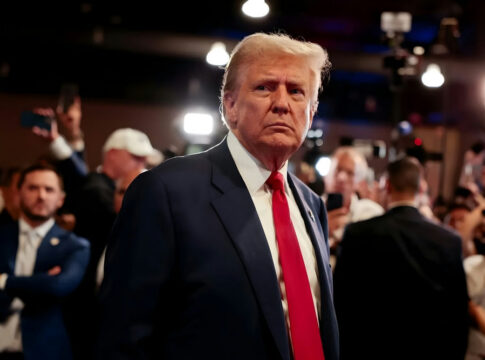
As Donald Trump talks about “ending the bloodbath” in Ukraine, his secretive calls with Vladimir Putin and Volodymyr Zelenskyy raise fresh questions about who really controls war and peace in today’s global system.
Story Snapshot
- Trump held long, separate calls with Putin and Zelenskyy, saying a Ukraine peace deal may be close.
- Russia and Ukraine both say they want peace, but no formal ceasefire or detailed plan has been announced.
- No full transcripts exist, leaving the public to rely on carefully worded summaries and media framing.
- Big money, weapons deals, and silent global institutions fuel doubts that elites truly want the war to end.
Trump’s twin phone calls and promise to end the war
On July 4, President Donald Trump spent nearly 90 minutes on the phone with Russian President Vladimir Putin and then held a separate call with Ukrainian President Volodymyr Zelenskyy, telling Americans he is pushing to end the war in Ukraine. Russian aide Yury Ushakov said Trump “reaffirmed his readiness to facilitate the earliest possible cessation of hostilities” and even believes an agreement to stop the fighting is close. Trump’s social media posts also claimed the calls were “highly productive” and that both leaders told him they want peace. Supporters see this as Trump using direct, leader-to-leader pressure instead of slow global diplomacy, but the lack of hard details leaves many skeptical.
After the Putin call, Trump said the two agreed their teams would “start negotiations immediately” on a peace deal, and that he would follow up with Zelenskyy. Zelenskyy later described his call with Trump as “very good” and talked about a “real prospect” to end the war, with plans to continue discussions at the coming North Atlantic Treaty Organization (NATO) summit. Public summaries from both sides highlight hope and readiness to talk, yet there is no signed ceasefire, no shared text, and no public map of what “peace” would actually look like for Ukrainians living under bombardment.
What we know – and what is being kept in the dark
For all the big claims, neither the White House nor the Kremlin has released a full, word-for-word transcript of the July 4 calls, leaving citizens to rely on short, polished summaries. Trump’s aides say his representatives will keep talking with both Moscow and Kyiv, but they have not shared any written peace proposal, draft terms, or timeline that can be checked and debated by the public. In past meetings, Trump floated ideas like freezing the war on current front lines or Ukraine giving up territory to Russia, which sparked anger and deep concern among many Ukrainians and European allies. That history makes both conservatives and liberals wonder whether “peace” here means real justice—or just another deal where ordinary people pay the price.
Major outlets such as CBS News, Euronews, and others frame these calls as part of a “controversial” diplomatic push, not a clear success story, stressing that heavy fighting, drone strikes, and missile attacks continued even as leaders talked. Trump has cited large monthly death figures and claimed U.S. pressure helped trigger new contacts between Putin and Zelenskyy, but independent monitors and fact-checkers say some of these numbers and claims are hard to verify or unproven. This gap between bold statements and hard evidence feeds a familiar frustration: people feel they are watching stage-managed narratives instead of transparent decision-making about war and peace.
Global institutions, money, and the “deep state” question
One striking fact is that neither NATO nor the European Union has formally endorsed Trump as a recognized mediator, even though he is the sitting U.S. president and says he is driving talks. Analysts note this fits a wider pattern where recent U.S. mediation attempts in the Ukraine war often rely on personal calls and one-off meetings rather than strong, public, multilateral frameworks. Ukrainians have grown wary of this style; think tanks report falling confidence in U.S. mediation because suggestions have sometimes leaned toward Russian demands, like ceding parts of Donetsk province for a “quick” peace. To many Americans, this looks less like principled diplomacy and more like backroom dealing among powerful men.
At the same time, the war has created huge financial interests that cut across party lines and countries. Ukraine has taken on large loans from European partners and bought expensive U.S. weapons systems, including major air and missile defense packages, tying its future to long-term debt and continued arms flows. U.S. defense companies benefit from every missile and drone sold, and experts warn that lobbying can shape policy in ways that keep conflicts going rather than ending them. When ordinary Americans and Europeans struggle with inflation, high energy costs, and shrinking wages, it is not hard to see why many suspect that “peace talks” may be managed to protect profits and power, not to protect families in Kyiv or in small towns in the United States.
Shared worries on both the right and the left
Conservatives who are tired of endless foreign wars and massive spending see another example of Washington talking about peace while the war grinds on, weapons contracts expand, and global bodies dodge clear responsibility. Liberals who focus on human rights and rising inequality see a process dominated by leaders accused of trampling democratic norms, with little say for ordinary Ukrainians whose land and lives are on the line. Both groups share a core fear: decisions that could redraw borders and shape Europe’s future are being made in secret calls and closed rooms, far from public view or accountability.
1 killed in attack on Crimea as Putin and Zelenskyy hold separate Trump calls @WashTimes https://t.co/57bRlr6xp5
— Washington Times Local (@WashTimesLocal) July 5, 2026
Recent research on mediation quality warns that rushed, highly personal deals often fail if they ignore deeper issues like security guarantees, war crimes, and fair reconstruction. Analysts say that if Trump truly wants to end the war as a “peacemaker and unifier,” he must push Moscow seriously, give Kyiv confidence that talks are balanced, and back any deal with clear, public commitments—not vague promises and photo ops. Until full transcripts, written plans, and independent checks are released, many on the right and left will continue to suspect that the same entrenched elites, in Washington, Moscow, Brussels, and big corporate boardrooms, are steering the outcome to suit themselves rather than the people paying the cost.
Sources:
cbsnews.com, apnews.com, euronews.com, ktvz.com, abcnews.com, en.kremlin.ru, aljazeera.com, aol.com, facebook.com, brookings.edu, cfr.org, youtube.com, kissinger.sais.jhu.edu
I do not see a peace deal in the near future the big Elites are making too much money on this war we’re at the stop well everyone else suffers the consequences. If they were going to stop this war it would have been stopped a long time ago
For it to stop well everyone else suffers