
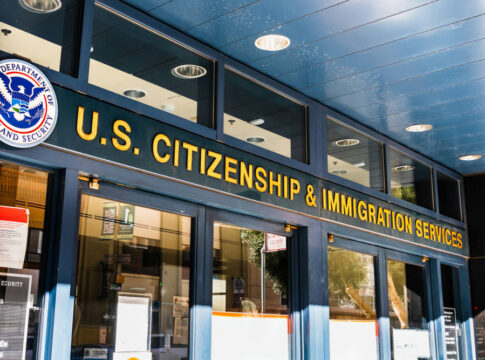
Trump’s plan to raise the citizenship application fee hits lawful immigrants with a bigger bill and fewer breaks.
Quick Take
- The proposal would raise the naturalization fee by **$570** for many applicants.[2]
- The plan would also eliminate fee waivers and lower-fee options for low-income applicants.[2][6]
- Supporters say the higher fee would help U.S. Citizenship and Immigration Services cover its costs.[2][3]
- Critics say the change would price out working families and make citizenship harder to reach.[1][3][6]
Fee Hike Targets Citizenship Applicants
The Trump administration has proposed a fee increase that would raise the cost of applying for U.S. citizenship by $570.[2] Under the plan, legal immigrants seeking naturalization would pay $1,330 for paper filings and $1,280 online, up from $760 and $710.[2] The rule would also raise the cost of asking for a citizenship denial review by $645.[2]
The Department of Homeland Security says the higher fees are meant to fully cover the cost of processing citizenship cases.[2] The agency also says it no longer wants naturalization forms to get lower fees at the expense of other immigration benefits.[2] That argument fits a long pattern inside U.S. Citizenship and Immigration Services, which has often defended fee hikes as needed to fund operations, reduce backlogs, and support service delivery.[3][4]
What Changes for Low-Income Applicants
The sharpest part of the proposal is not only the higher price tag. The plan would eliminate fee waivers for citizenship cases and end the lower-fee option for immigrants whose household income is at or below 400 percent of the federal poverty line.[2] That means many working families would lose the safety valve that has helped them file when money was tight.[1][6]
Opponents say this turns citizenship into a wealth test. The Los Angeles Times reported that the new fee structure would make naturalization cost about a month of gross pay for an immigrant earning minimum wage.[1] The Immigration Legal Resource Center also warned that removing waiver options would create a stronger barrier for lower-income lawful permanent residents who are eligible to become citizens but may not be able to pay upfront.[3]
Why the Fight Matters
This dispute goes beyond one form and one fee. U.S. Citizenship and Immigration Services is a fee-funded agency, so it often argues that applicants should pay more when costs rise.[3][4] But critics say that logic breaks down when the government asks lawful immigrants to shoulder steep increases while also stripping away hardship relief.[1][6] In their view, the result is not better service. It is less access to the legal path to citizenship.
NEW: @USCIS is proposing to increase the cost to green card holders of becoming a U.S. citizen by $570, and wants to eliminate existing fee waivers for certain low-income immigrants.
The Trump admin says it no longer believes in encouraging naturalization with low-cost options. pic.twitter.com/e72C1DFGJm
— Aaron Reichlin-Melnick (@ReichlinMelnick) June 22, 2026
The broader debate also reflects a familiar conservative concern about government fairness. If an agency needs more money, it should explain the cost clearly and keep the process simple. Instead, the proposal adds a large hike, removes relief for poorer applicants, and makes the path to citizenship harder to reach.[2][6] For readers who want a system that respects law, order, and legal immigration, the question is whether this is cost recovery or another way to burden people doing things the right way.
Sources:
[1] Web – Trump plan would increase citizenship application fee by $570
[2] Web – Trump Administration Proposes Increased Immigration Fees
[3] Web – USCIS issues final rule increasing fees
[4] Web – USCIS Finalizes Increase in Fees for Immigration-Related Applications
[6] Web – Explainer | Trump and Congress’s Punishing New Immigration Fees